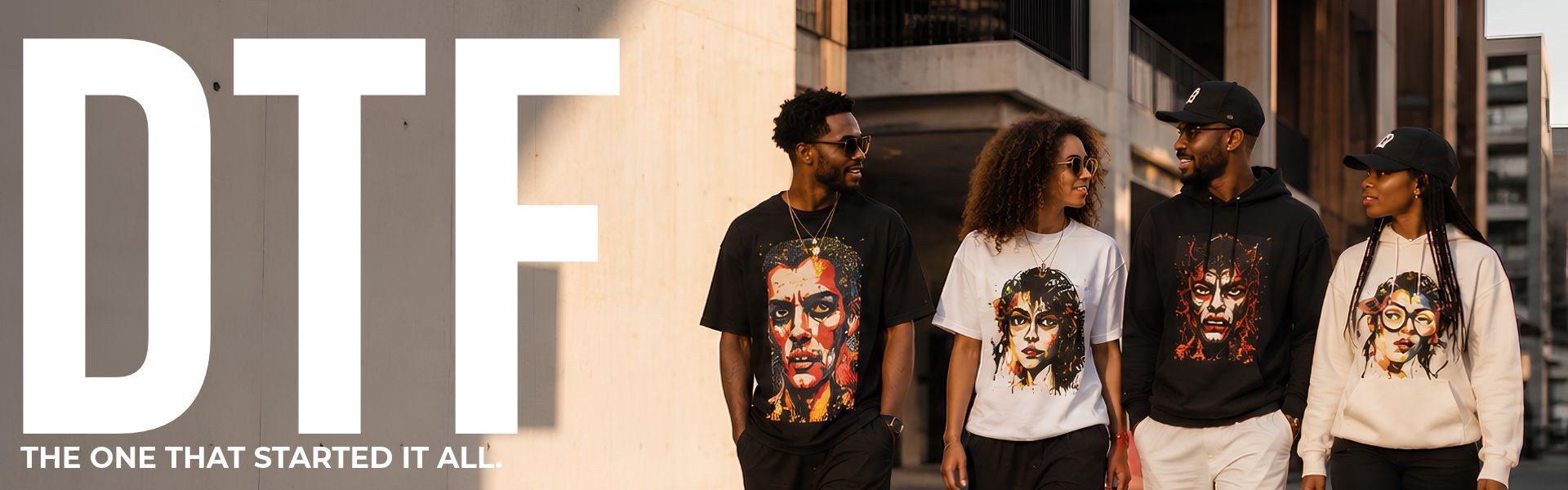
DTF (Direct to Film) printing is a method in which your design is printed onto a special film coated with a powder adhesive, then heat-pressed onto the garment. The result is a full-colour, detailed print that works on light and dark fabrics and lasts more than 60 washes.
A few years ago, nobody knew what DTF was.
Now your cousin has a clothing brand. Your gym coach sells oversized hoodies. And someone in the family WhatsApp group is organising matching reunion shirts. Again.
Coincidence? We think not.
At OneOff Custom Apparel, we print DTF, DTF++, and 3D DTF in-house in Midrand, Johannesburg, and deliver nationwide. Here’s how it works, how long it lasts, and when we’d tell you to choose something else.
Four steps. No magic, just good machines
1. Print. Your design is printed in full colour (CMYK) onto a clear film, with a layer of white ink behind it so colours stay bright on any shirt colour.
2. Powder. A fine adhesive powder is applied to the ink.
3. Cure. The film is heated so the adhesive melts and sets.
4. Press. We heat-press the film onto your garment and peel it away. The print stays. The film doesn’t.
Pretty much any design you can dream up, we can DTF. Send us a sharp file, and we’ll handle the rest.
Yes. Here’s what it does well.
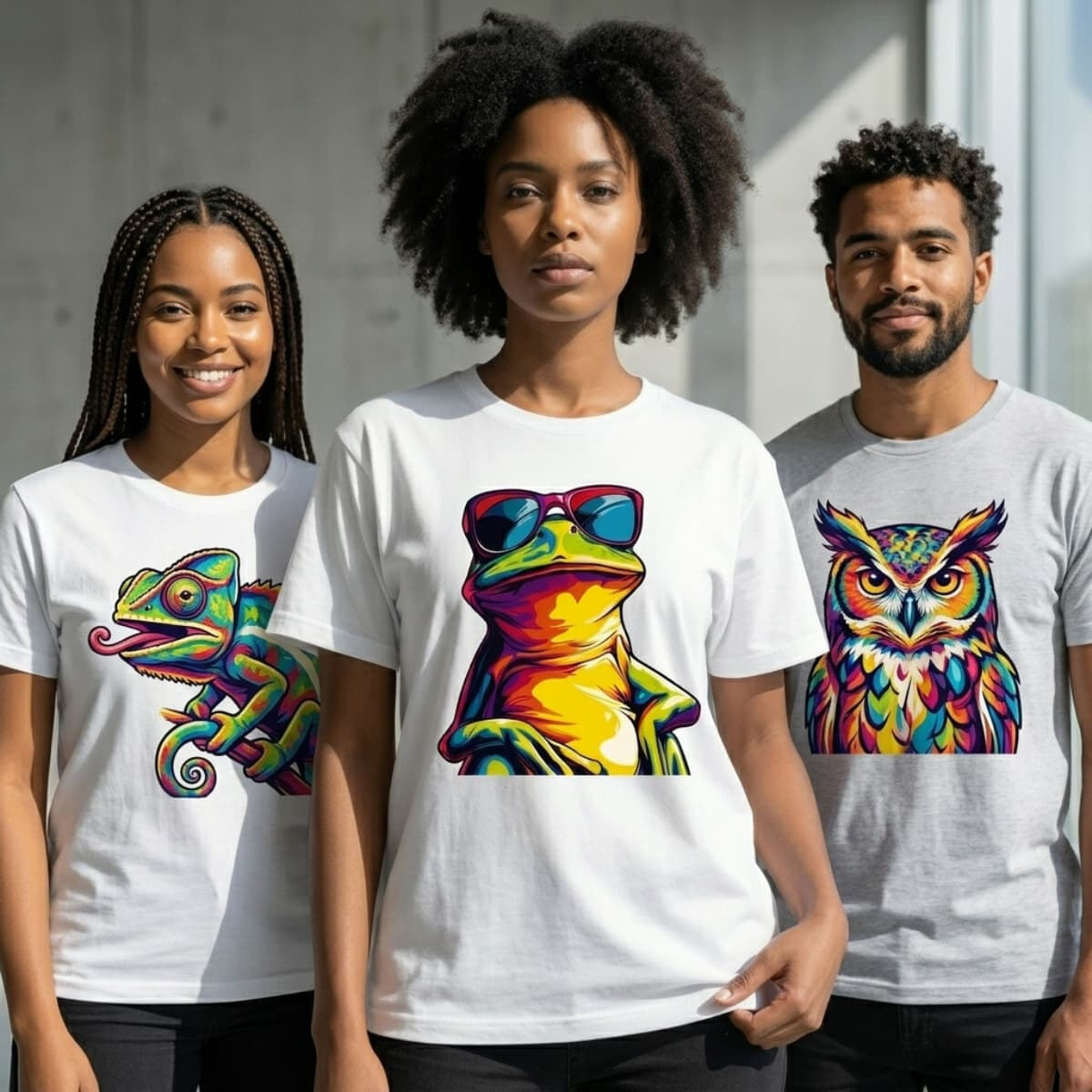
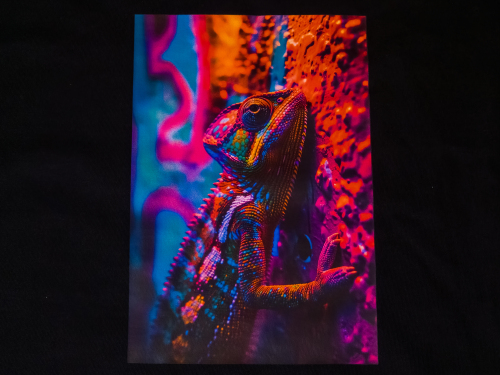
Full-colour artwork. Photos, gradients, 14 colours, a dog in sunglasses. DTF prints it all in one go, with no extra cost per colour.
Dark shirts. This is the big one. Some print methods need white or light fabric for colours to show. DTF prints onto film first, with its own white base, so a bright design on a black hoodie looks exactly as bright as it does on white.
Different fabrics. Cotton, polyester blends, heavier hoodie fabric. DTF isn’t fussy.
Small orders. There are no screens to set up, so small batches make sense.
It also handles the client who changes the design 14 times and finally sends “Final_FINAL_v2_USETHISONE.png”. DTF walks into that chaos and says: “Relax. I can print that.”
Got a design already? Upload it in our Create tool and see it on a shirt before you order.
A DTF print from OneOff Custom Apparel lasts more than 60 washes when you look after it. That’s more than a year of weekly washing.
Does DTF crack or peel? A good DTF print stretches with the fabric instead of cracking. When a print does peel, it usually comes down to how it was pressed or how it’s washed. We handle the pressing. Hot water, tumble dryers and irons are the usual culprits on the washing side.
Treat it like your favourite shirt. Because it probably will be.
Standard DTF is the all-rounder. We also print two upgraded versions.
Pick your print
Three ways to DTF. Same full colour. Different finish.
Full colour on any shirt colour, for small batches or big runs.
CMYK + white
13 ink channels. More colour than four letters could ever handle.
CMYK + RGB + orange + 4 fluorescents + white
DTF++ prints with 13 ink channels instead of the standard four, including four fluorescent colours. That’s more colour than four letters could ever handle.
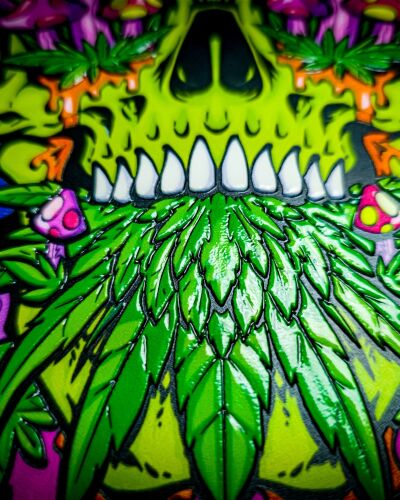
3D DTF builds up selected parts of your design so they sit raised off the fabric. Same full colour, plus texture. Read our 3D DTF guide for the full story.
| Method | Best for | Watch out for |
|---|---|---|
| DTFDirect to film | Full-colour designs on any fabric colour, in any quantity from 1 to 1,000 | Text under about 4 mm tall or lines under 1 mm |
| DTGDirect to garment | Detailed full-colour designs printed straight onto cotton | Shirts need a chemical pre-treatment, and it's fussier with fabric types |
| Sublimation | All-over prints on white or light polyester | Doesn't work on cotton or dark shirts |
| Vinyl | Names, numbers and simple one or two colour designs | Limited colours, and every design has to be cut out and weeded (the excess vinyl is peeled away by hand) |
| Screen printing | The classic thick-ink feel on a simple one or two colour design | Set-up costs per colour, and it usually works out more expensive than DTF |
Short version: if your design has more than two colours or goes on a dark shirt, DTF usually wins. And we don’t ask for a minimum order, so whether it’s 1 shirt or 1000, it’s a win-win.
Want to see every method side by side? Our printing methods page has the full breakdown.
T-shirts. Birthdays, bachelor parties, family reunions, and the meme you'll have to explain at the braai.
Hoodies and sweaters. DTF works well on heavier fabric. Which matters, because South Africans experience 14°C once and immediately dress for Everest.
Event shirts. Sports tours, fun runs, school events, year-end functions. South Africans will turn any gathering into an excuse for matching shirts. Beautiful tradition.
Your own brand or merch. Plenty of clothing brands start with one hoodie, one logo, one friend with Canva Premium, and completely unreasonable confidence. Honestly? We respect it.
Staff wear. Branded shirts your team will actually wear, instead of thin promo tees from 2012.
Ready to order? See our DTF printing in page. We deliver nationwide.
Direct to Film. The design is printed onto film first, then transferred to the garment with heat.
Yes. It prints sharp detail and full colour, works on light and dark fabrics, and a OneOff DTF print lasts more than 60 washes.
More than 60 washes, if you wash it cold or lukewarm, skip the tumble dryer and bleach, and dry it inside out.
Not if it's pressed properly and washed properly. Wash cold or lukewarm, skip the tumble dryer and bleach, and a OneOff DTF print lasts more than 60 washes.
It depends on the garment, the print size and how many you order. There are no screen set-up fees, so small orders don't get penalised. For an exact price, send us your design.
It depends on the shirt. Sublimation only works on white or light polyester. DTF works on cotton, blends and dark colours, so it suits most T-shirts and hoodies.
For most orders, DTF. It works on more fabric types, including polyester blends, and shirts don't need a chemical pre-treatment first.
Both last well when they're applied properly and cared for. A OneOff DTF print lasts more than 60 washes. The bigger difference is design: DTF handles full colour and fine detail, while vinyl suits simple names and numbers in one or two colours.
You can, but you'll need a DTF printer, film, ink, adhesive powder, a curing unit and a heat press. A starter machine package alone costs tens of thousands of rand, so for most orders it's simpler to send us your design and skip all that.
No. Cricut's cutting machines cut vinyl and other materials, but they don't print. DTF needs a dedicated printer that prints onto film with white ink.
No. Order one shirt or 1000. DTF needs no screens or set-up, so a single shirt is just as easy to print as a big batch.
DTF printing became popular because it works. Full colour, any shirt colour, small orders, and prints that last more than 60 washes.
Got an idea? Open the Create tool, drop in your design, and see it on a shirt in a few minutes.
Go on.