How We Print.
Different machines. Different ink.
Very different results.
Request a quote

Pick your print
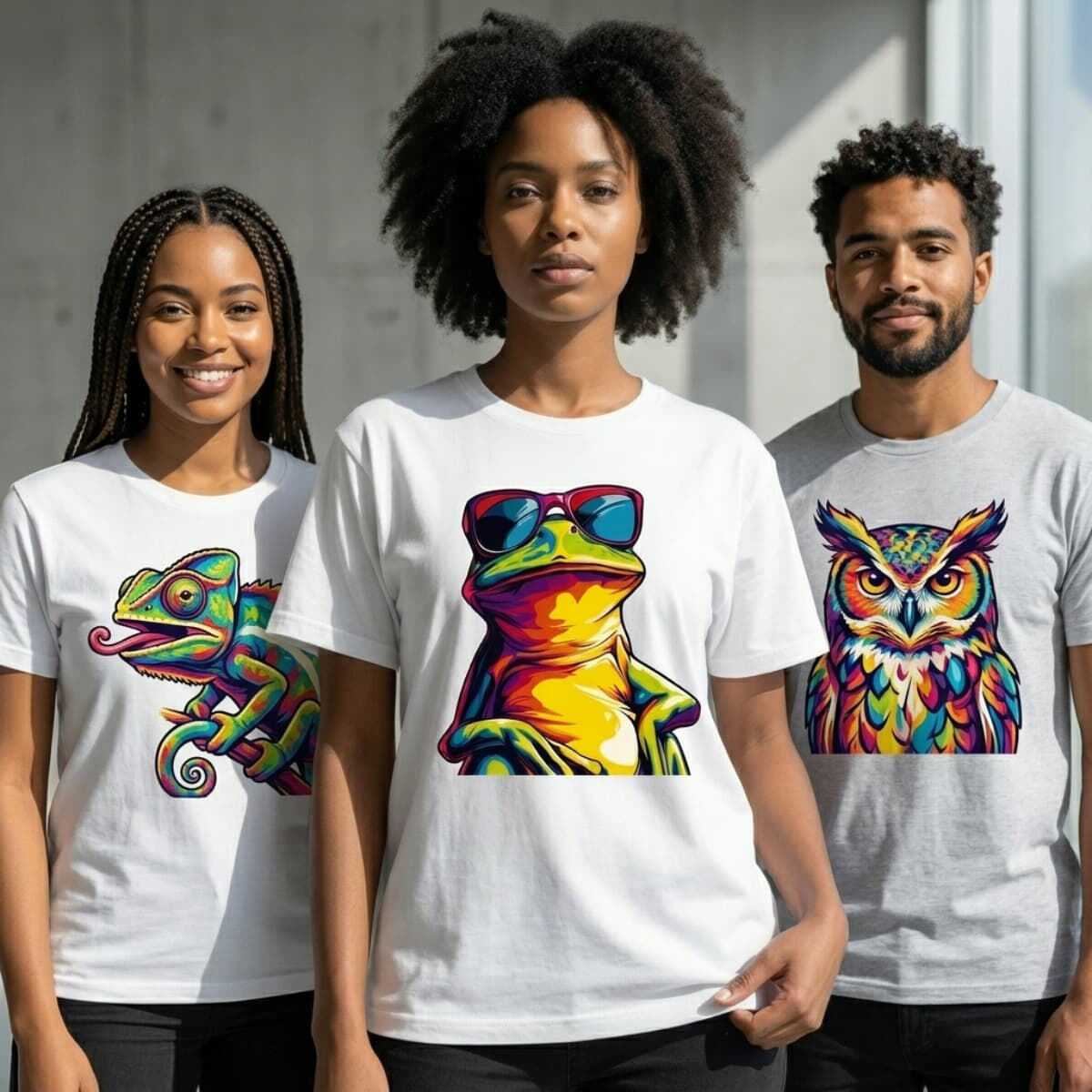
Three ways to DTF. Same full colour. Different finish.
Full colour on any shirt colour, for small batches or big runs.
CMYK + white
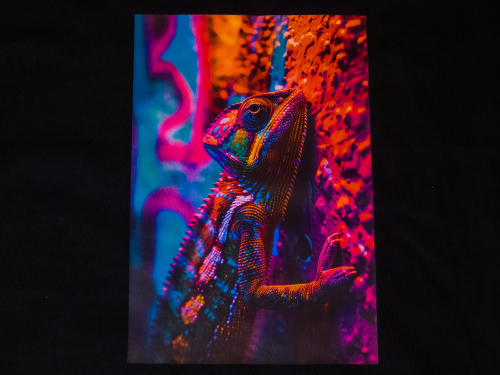
13 ink channels. More colour than four letters could ever handle.
CMYK + RGB + orange + 4 fluorescents + white
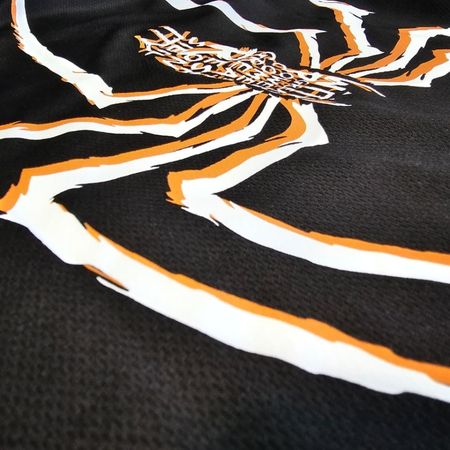
Full colour, sharp detail, and it works on almost anything you can print on. The reliable one.
See It Up Close →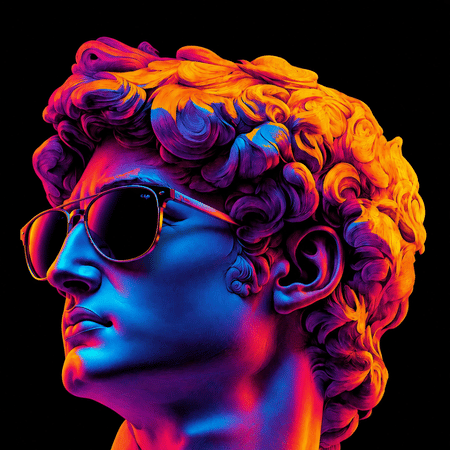
A dedicated setup, more ink channels. Colours hit harder and truer — the difference shows up in gradients and brand colours you actually care about matching.
See It Up Close →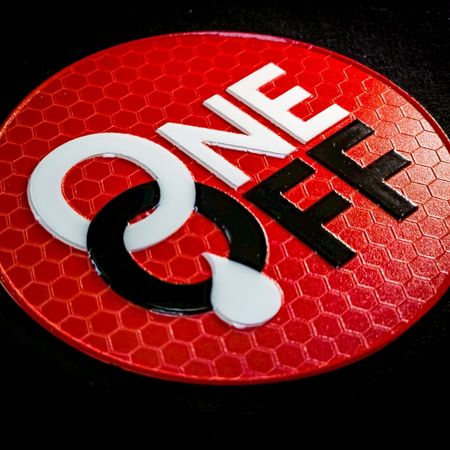
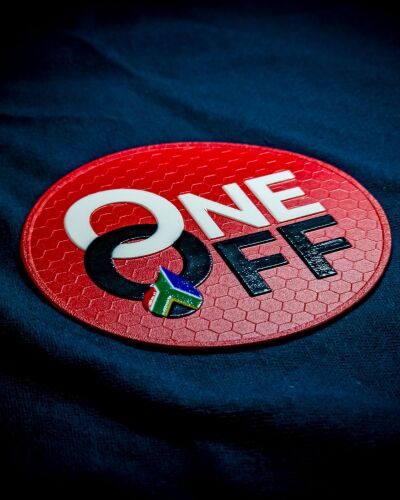
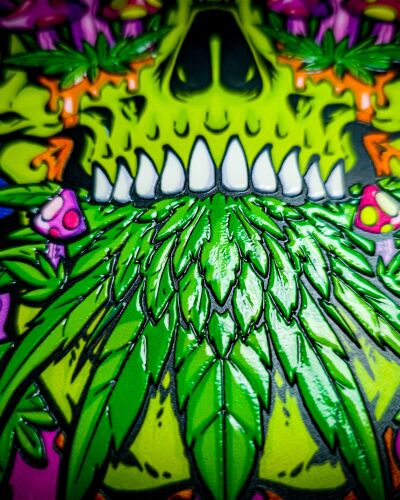
Not just printed on — built up. This one has actual height, texture you can feel before you even see the logo.
See It Up Close →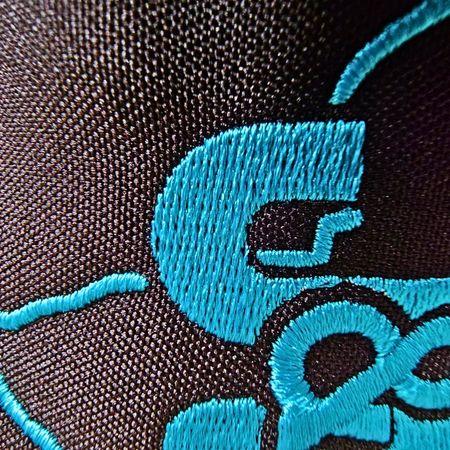
Stitched, not printed — built thread by thread for a finish that lasts as long as the garment does.
See It Up Close →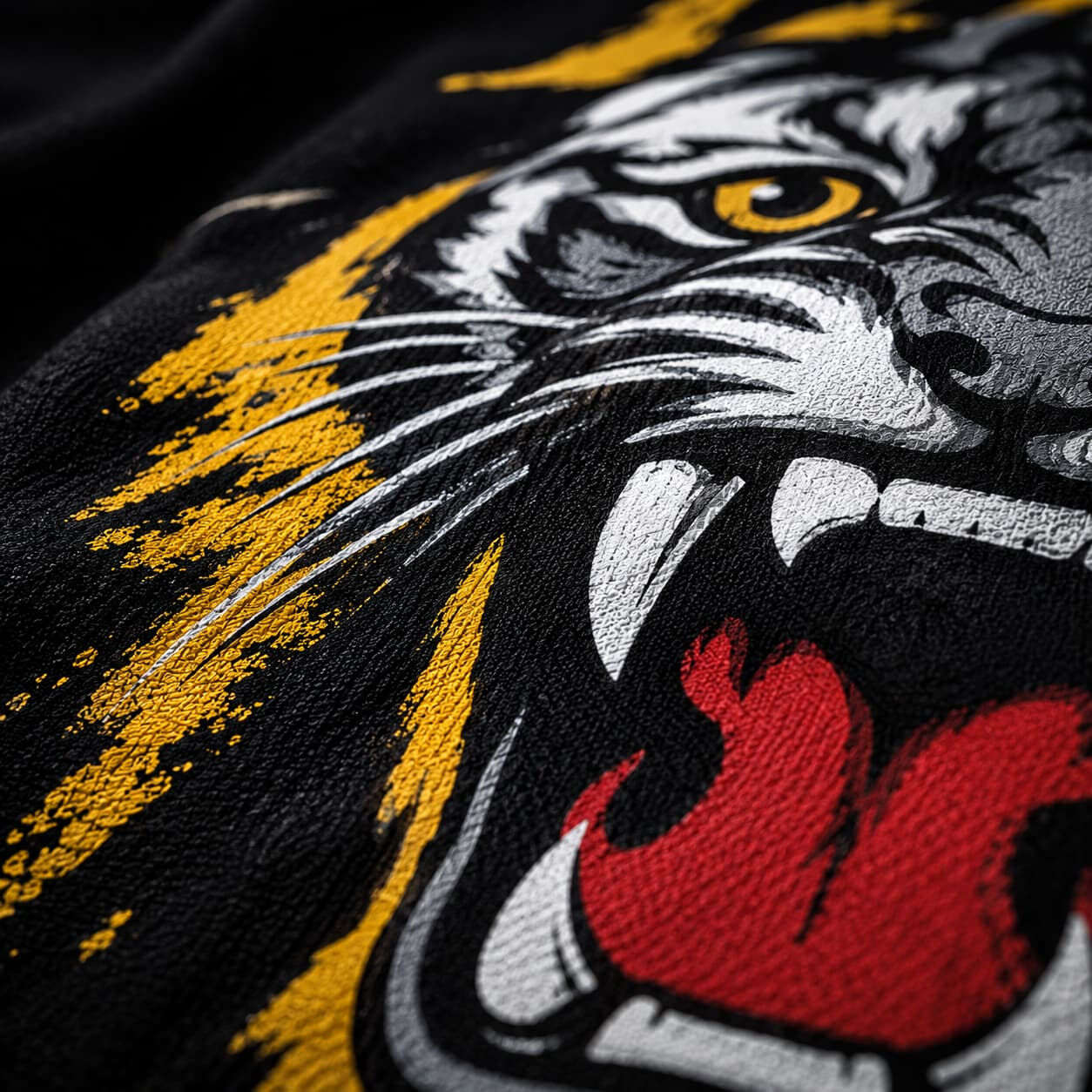
Bold colour, laid down thick, built for runs where you need hundreds of identical prints without losing consistency.
See It Up Close →