DTF Printing: The One That Works On Almost Anything

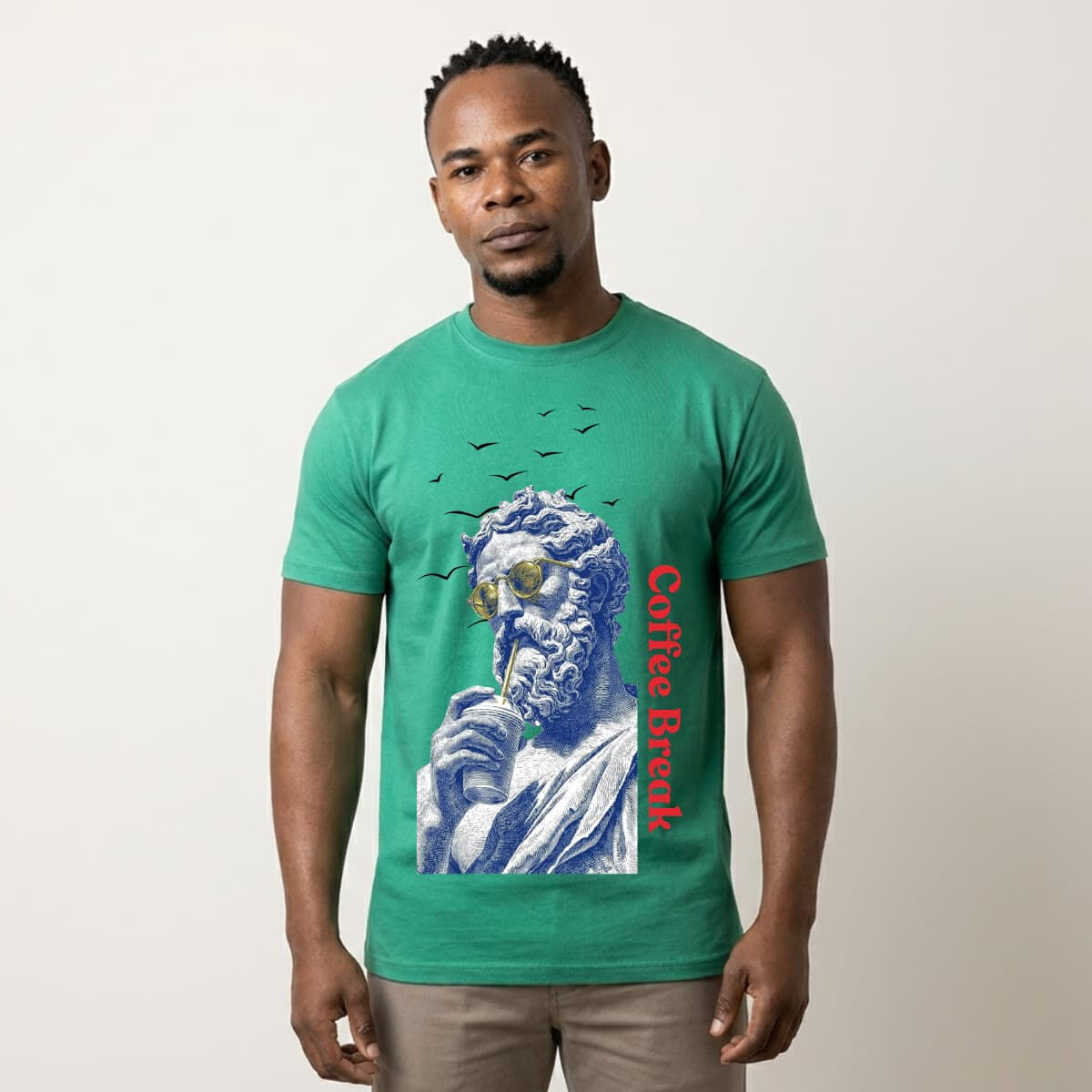
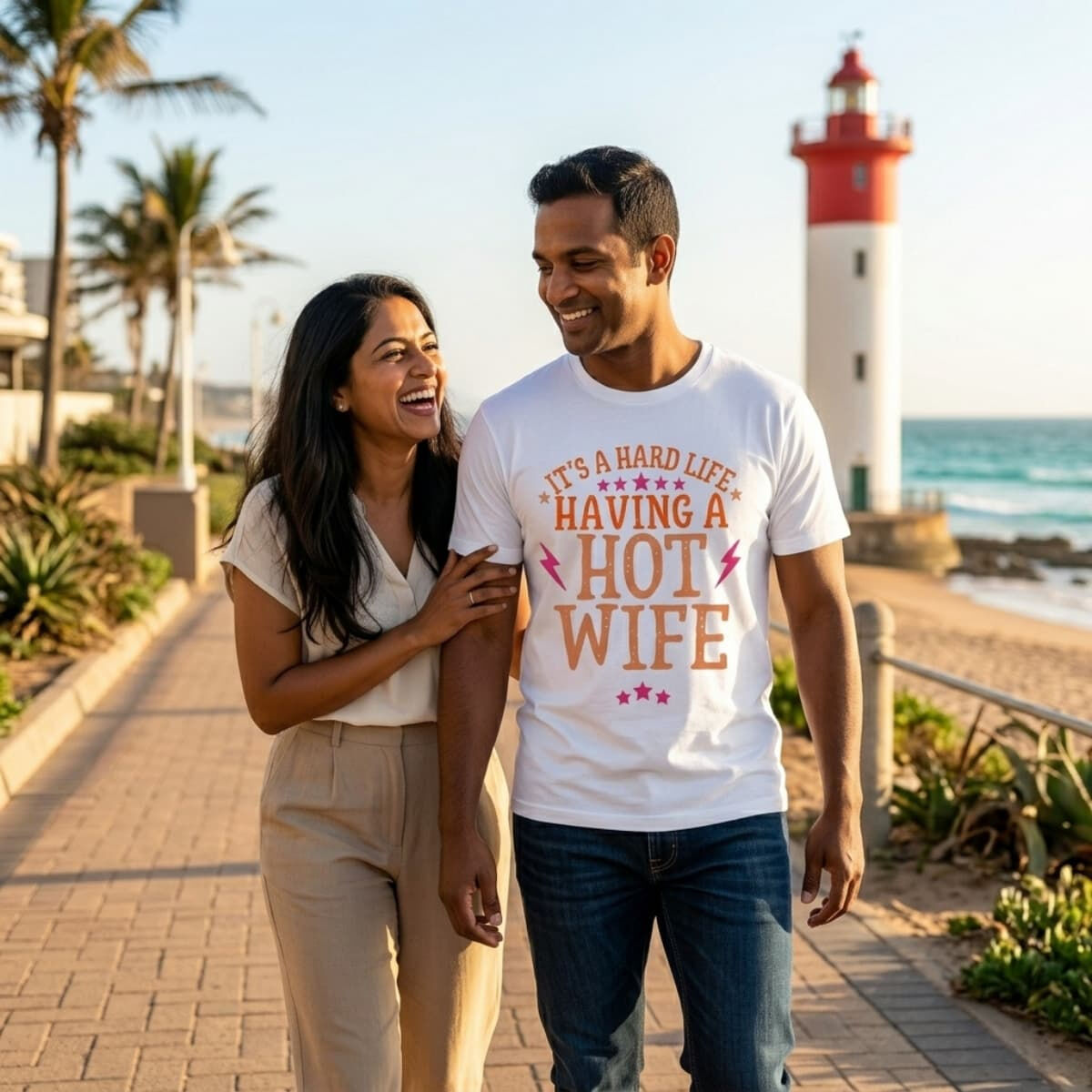
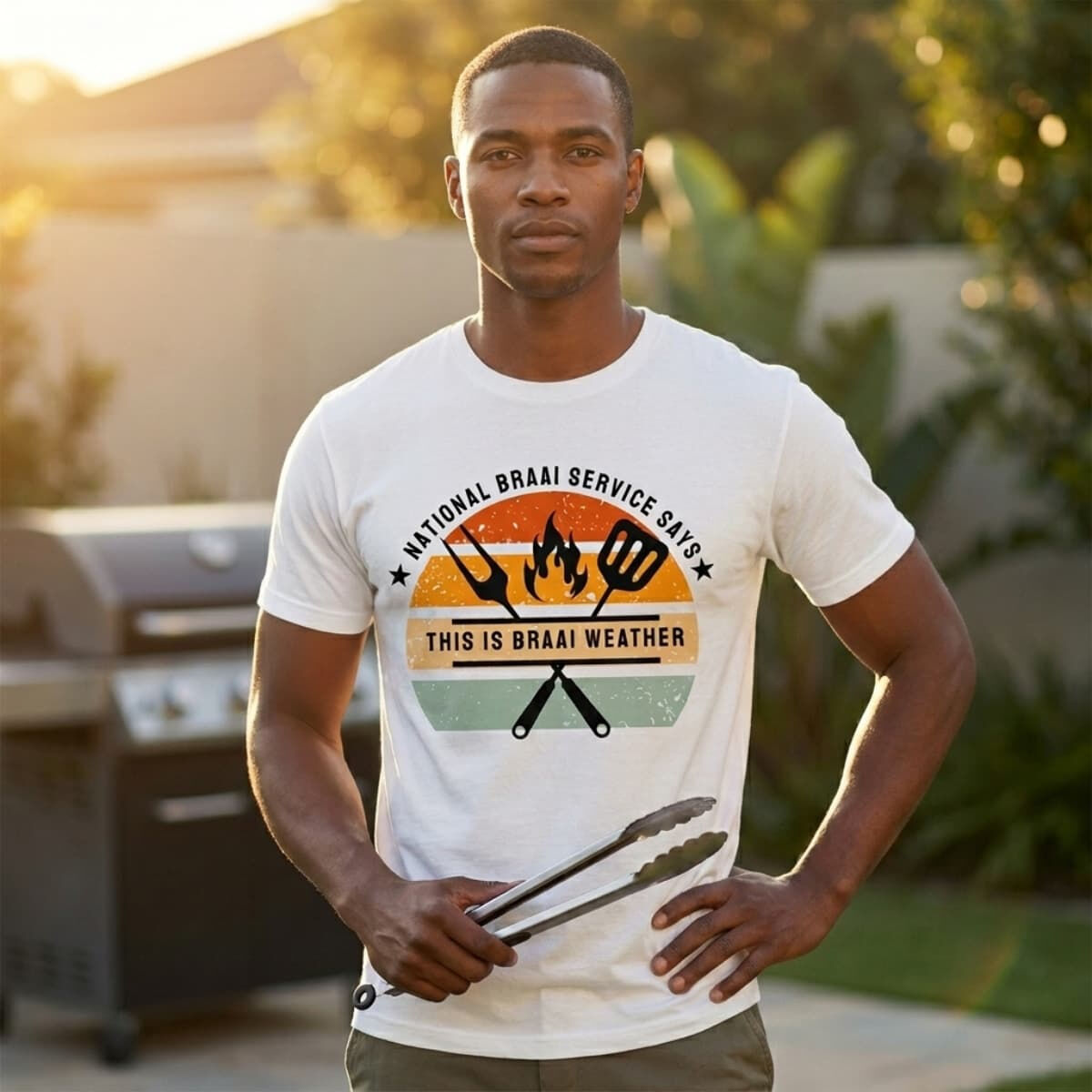
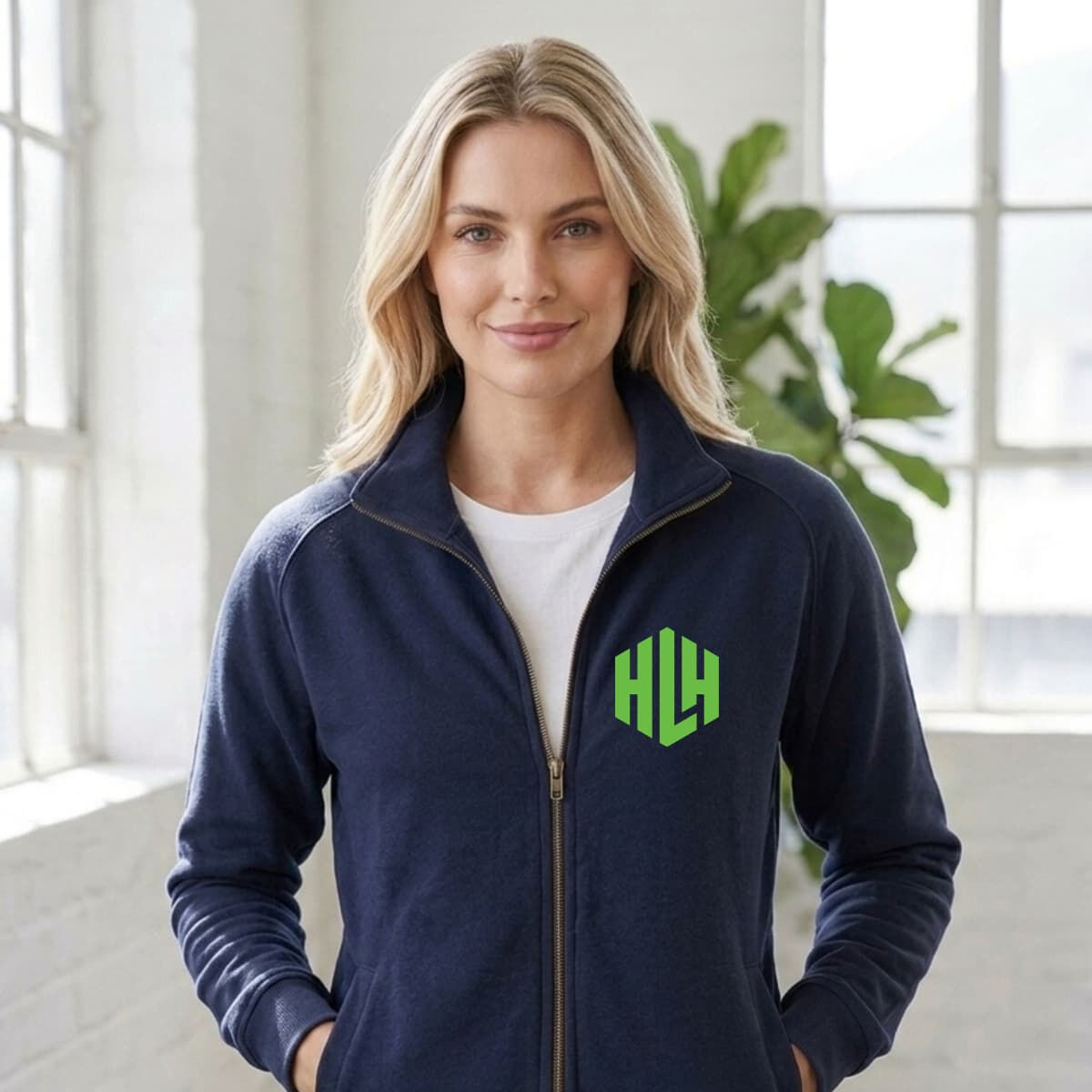
Direct-to-film printing is the reason you can put a full-colour photo on a black hoodie, a cotton tee, and a polyester golf shirt without changing your process once. Here's how it actually works.
 

GET A QUOTE

How It Works

DTF stands for direct-to-film. Instead of printing straight onto the garment, we print your design onto a special film using CMYK ink, add an adhesive powder, then heat-press the whole thing onto the fabric. The design transfers off the film and bonds to the garment.

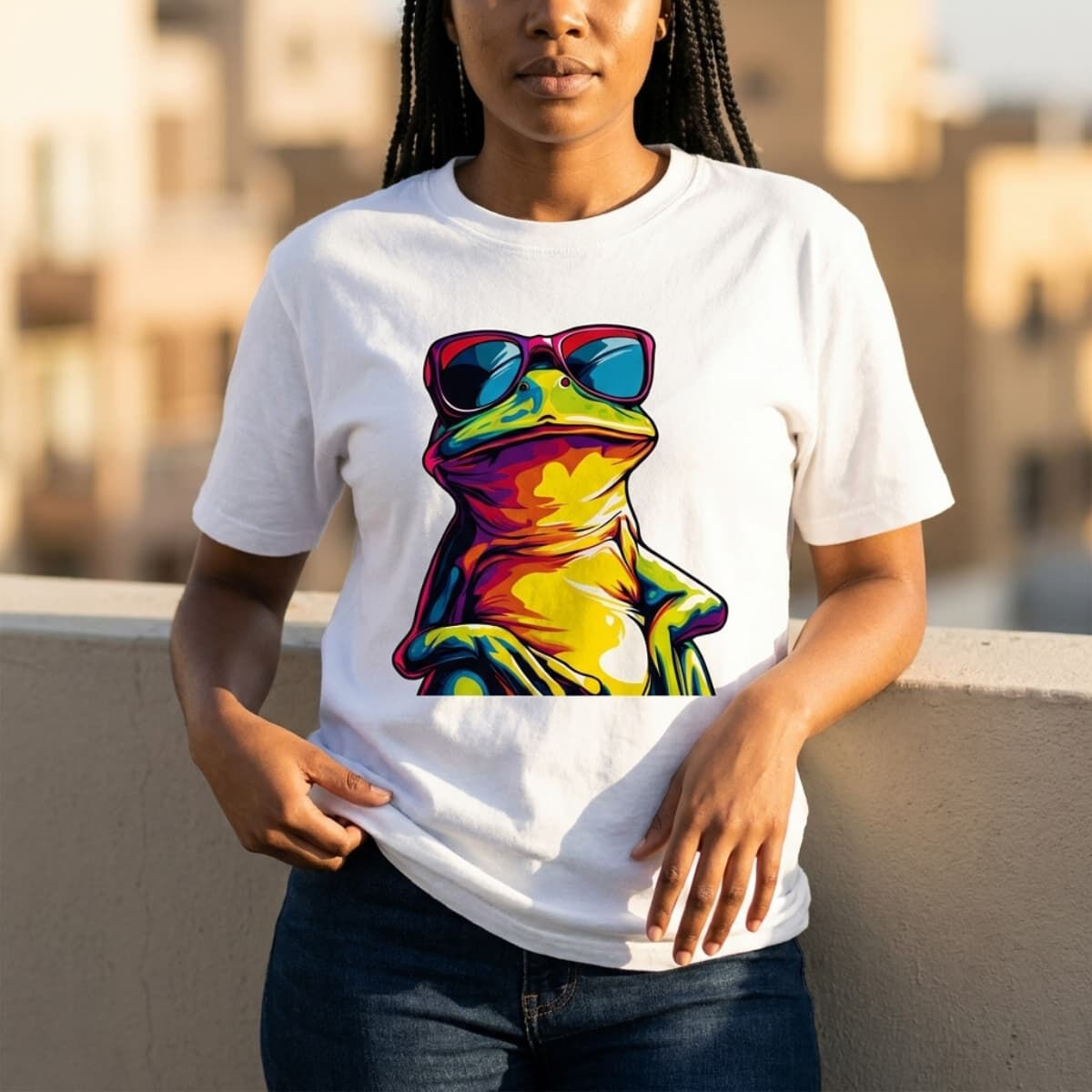
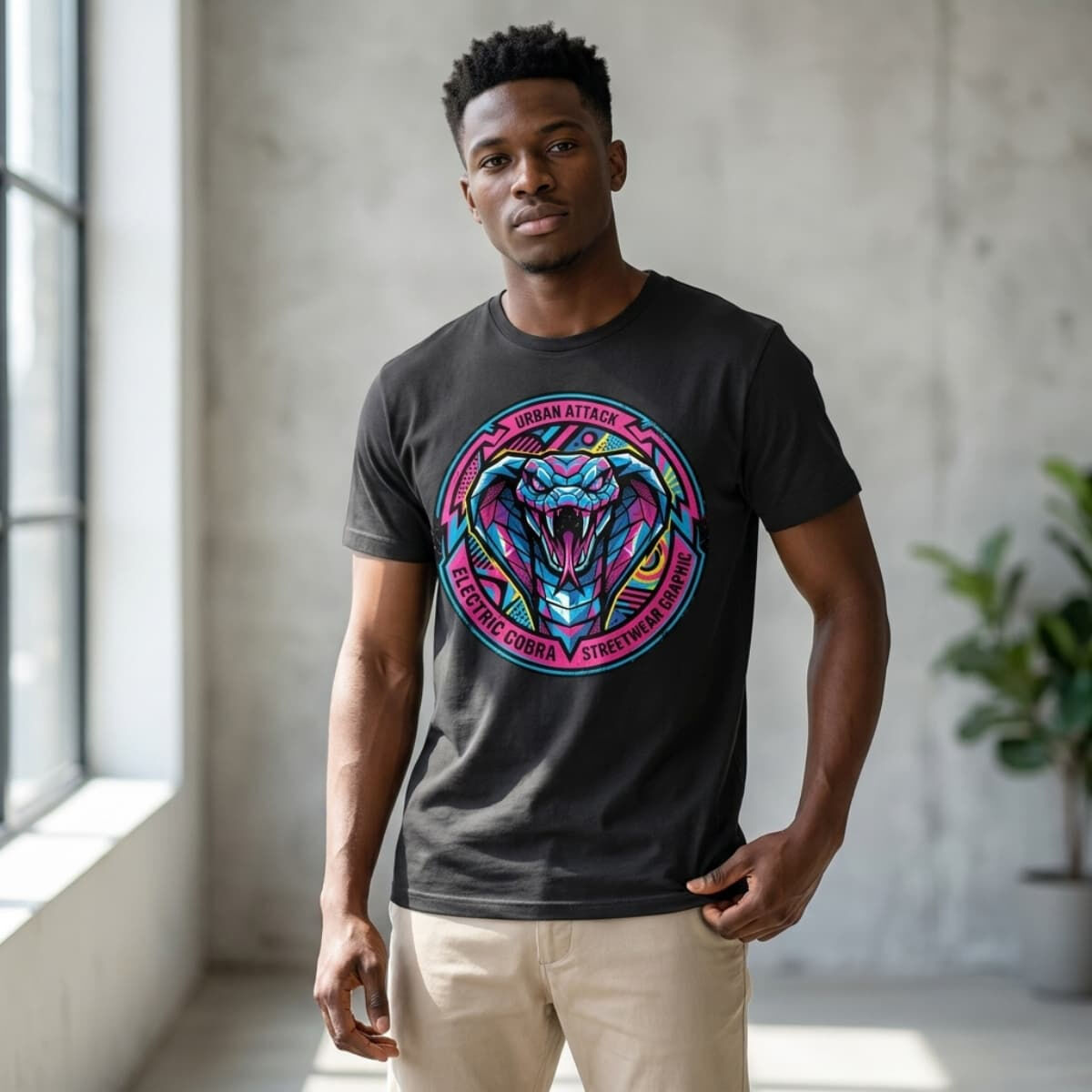
That extra step is exactly why DTF works on almost anything — cotton, polyester, blends, dark fabric, light fabric. Because the print isn't fighting with the fabric's own colour or texture the way some other methods do, you get consistent, accurate colour regardless of what you're printing on.
1

Design is printed onto film in full CMYK colour

2

Adhesive powder is applied and cured onto the print

3

The film is heat-pressed onto the garment

4

The film is peeled away, leaving the design bonded to the fabric

Diagram showing the four steps of DTF printing process

Best For


Full-colour, photo-realistic designs

Small orders — no minimum quantity the way screen printing needs

Mixed fabric orders (cotton and polyester in the same run)

Dark garments where the design still needs to pop

Best on: cotton, cotton blends, polyester, most woven and knit fabrics.

How Does This Compare?

DTF is the foundation of the family — DTF++ runs on a dedicated setup built for a wider colour range (8 ink channels instead of 4), and 3D DTF uses its own process to add physical texture on top. If you're choosing between them, see the full comparison on the How We Print page.

Already know you need brighter, more accurate colour matching? Read about DTF++

Honest Pros & Limitations


Where DTF wins:

  • Works on virtually any fabric colour or type
  • No minimum order quantity — one shirt costs the same setup effort as one hundred
  • Full colour, fine detail, gradients all render accurately
  • Faster turnaround than screen printing for small-to-mid runs

Where it's not the right call:

For very large bulk orders (500+ identical units), screen printing usually works out more cost-effective per unit.

If you need texture or dimension in the print itself, that's what 3D DTF is for.

If your brand colours need to hit an exact, extended colour range beyond standard CMYK, DTF++ is the upgrade.

The Science (Why It Actually Works)

Ordinary printing methods have to work with whatever's underneath them — the fabric's colour, weave, and absorbency all affect how the final print looks. DTF sidesteps that. Because the design is built on film first, in full CMYK, the print itself is a complete, fully-formed image before it ever touches the garment. The adhesive layer is what does the actual bonding — it's the same principle as any heat-transfer method, just engineered to hold up to regular wash and wear rather than cracking or peeling after a few cycles.

That's also why colour comes out consistent whether you're printing on white cotton or black polyester: the ink isn't relying on the fabric to carry it, it's relying on the film.

How Does This Compare?

DTF is the foundation of the family — DTF++ runs on a dedicated setup built for a wider colour range (8 ink channels instead of 4), and 3D DTF uses its own process to add physical texture on top. If you're choosing between them, see the full comparison on the How We Print page.

Already know you need brighter, more accurate colour matching? Read about DTF++

fAQs

With correct washing (cold wash, inside out, avoid the tumble dryer where possible), a DTF print holds up through regular wear and wash cycles without significant cracking or fading.
Yes — this is one of DTF's strongest points. Because the print is built on film first, colour stays accurate and vibrant regardless of what's underneath it.
No. DTF works the same whether you're ordering one shirt or one hundred, which is why it's the go-to for personal and small-batch orders.
DTG (direct-to-garment) prints directly onto the fabric like an inkjet printer; DTF prints onto film first, then transfers it. DTF generally handles a wider range of fabric types and colours more consistently.
Slightly — DTF has a smooth, thin finish that moves with the fabric. Screen printing can feel slightly thicker depending on the ink build, especially with multiple colours.

Ready To See It On Your Design?

Upload what you've got and we'll tell you straight whether DTF's the right call or if DTF++ or 3D DTF would serve it better.

Start Designing
Search
View More